Creating Engaging Blog Content Fast: A Step-by-Step Guide to Crafting Compelling Blog Posts
Creating engaging blog content is crucial for capturing the attention of your target audience and driving traffic to your website. In this tutorial, you will learn how to create engaging blog content fast, including tips and tricks for researching topics, crafting compelling headlines, and optimizing your posts for search engines. By following these steps, you'll be able to produce high-quality blog content that resonates with your readers and helps you achieve your online marketing goals.
Step 1: Researching Engaging Blog Topics for Your Website
To create engaging blog content, you need to start by researching topics that are relevant and interesting to your target audience. This involves identifying trending topics, analyzing competitor blogs, and using online tools such as Google Trends and Keyword Planner to find popular keywords and phrases. For example, if you're writing a blog post about marketing, you could research topics like "influencer marketing" or "social media marketing" to find inspiration. 
Step 2: Crafting Compelling Headlines for Your Blog Content
Crafting compelling headlines is essential for grabbing the attention of your readers and enticing them to click on your blog post. To create engaging headlines, focus on using action verbs, questions, and statements that create curiosity. For instance, you could use headlines like "10 Ways to Boost Your Marketing Strategy" or "What You Need to Know About Creating Engaging Blog Content." Remember to keep your headlines concise, clear, and descriptive, and use tools like CoSchedule's Headline Analyzer to optimize your headlines for better performance. 
Step 3: Creating Engaging Introductions for Your Blog Posts
Writing engaging introductions is crucial for drawing your readers in and setting the tone for the rest of your blog post. To create engaging introductions, start by using hook sentences that grab the reader's attention, followed by a brief overview of what the post will cover. For example, you could start with a story, a statistic, or a thought-provoking question to pique the reader's interest. Remember to keep your introductions concise and focused, and use transitional phrases to connect your introduction to the rest of the post.
Step 4: Writing Engaging Blog Content with a Focus on SEO
Writing engaging blog content requires a focus on both quality and search engine optimization (SEO). To create engaging blog content that ranks well in search engines, use a conversational tone, break up your content with subheadings and bullet points, and optimize your images and meta descriptions. Remember to use keywords strategically throughout your content, but avoid keyword stuffing, which can harm your search engine rankings. For example, if you're writing a blog post about "creating engaging blog content," you could use variations of this keyword throughout your post, such as "writing engaging blog posts" or "crafting compelling blog content."
Step 5: Editing and Proofreading Your Blog Content for Engagement
Editing and proofreading your blog content is essential for ensuring that your posts are error-free, engaging, and optimized for search engines. To edit and proofread your content effectively, read your post out loud to check for flow and clarity, use grammar and spell check tools to catch errors, and ask a colleague or friend to review your post for feedback. Remember to check your post's meta description, headline, and subheadings to ensure they're accurate and compelling, and use tools like Hemingway Editor to simplify your language and improve readability.
Step 6: Optimizing Your Blog Content for Engagement with Visuals
Optimizing your blog content with visuals is crucial for breaking up your text, illustrating complex concepts, and enhancing the overall reader experience. To optimize your blog content with visuals, use high-quality images, infographics, and videos that are relevant to your topic, and ensure that your visuals are properly sourced and attributed. Remember to use alt text and descriptive text for your images, and use tools like Canva or Adobe Creative Cloud to create custom graphics and illustrations. For example, if you're writing a blog post about "creating engaging blog content," you could use an image of a person writing at a desk or a graphic illustrating the importance of SEO.
Step 7: Promoting Your Blog Content for Maximum Engagement
Promoting your blog content is essential for driving traffic to your website and maximizing engagement with your target audience. To promote your blog content effectively, share your posts on social media platforms, engage with your readers by responding to comments and creating a community, and use email marketing campaigns to notify subscribers about new posts. Remember to use paid advertising options like Facebook Ads or Google AdWords to reach a wider audience, and use tools like Hootsuite or Buffer to schedule your social media posts in advance.
Frequently Asked Questions:
Q: How often should I post new blog content to my website?
A: The frequency of posting new blog content depends on your target audience and marketing goals. Generally, it's recommended to post at least once a week to keep your audience engaged and coming back for more.
Q: What's the most important factor in creating engaging blog content?
A: The most important factor in creating engaging blog content is to know your target audience and tailor your content to their needs and interests. This includes using language and terminology that resonates with your audience, as well as creating content that addresses their pain points and provides value.
Q: How can I measure the success of my blog content?
A: You can measure the success of your blog content by tracking metrics such as page views, engagement (likes, comments, shares), and conversion rates (e.g., filling out a contact form or making a purchase). Use tools like Google Analytics to monitor your website traffic and behavior, and adjust your content strategy accordingly.
7 Proven Ideas To Create Engaging Content That Gets Readers Hooked

7 Proven Ideas to Create Engaging Content That Gets Readers Hooked
9 Ways To Create Engaging Blog Content - Learn How!

9 Ways to Create Engaging Blog Content - Learn How!
5 Resources To Help You Create Engaging Blog Content | WP Daily Themes
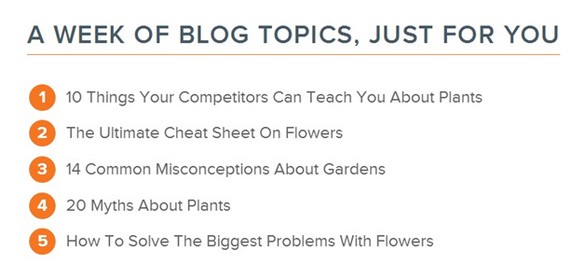
5 Resources to Help You Create Engaging Blog Content | WP Daily Themes